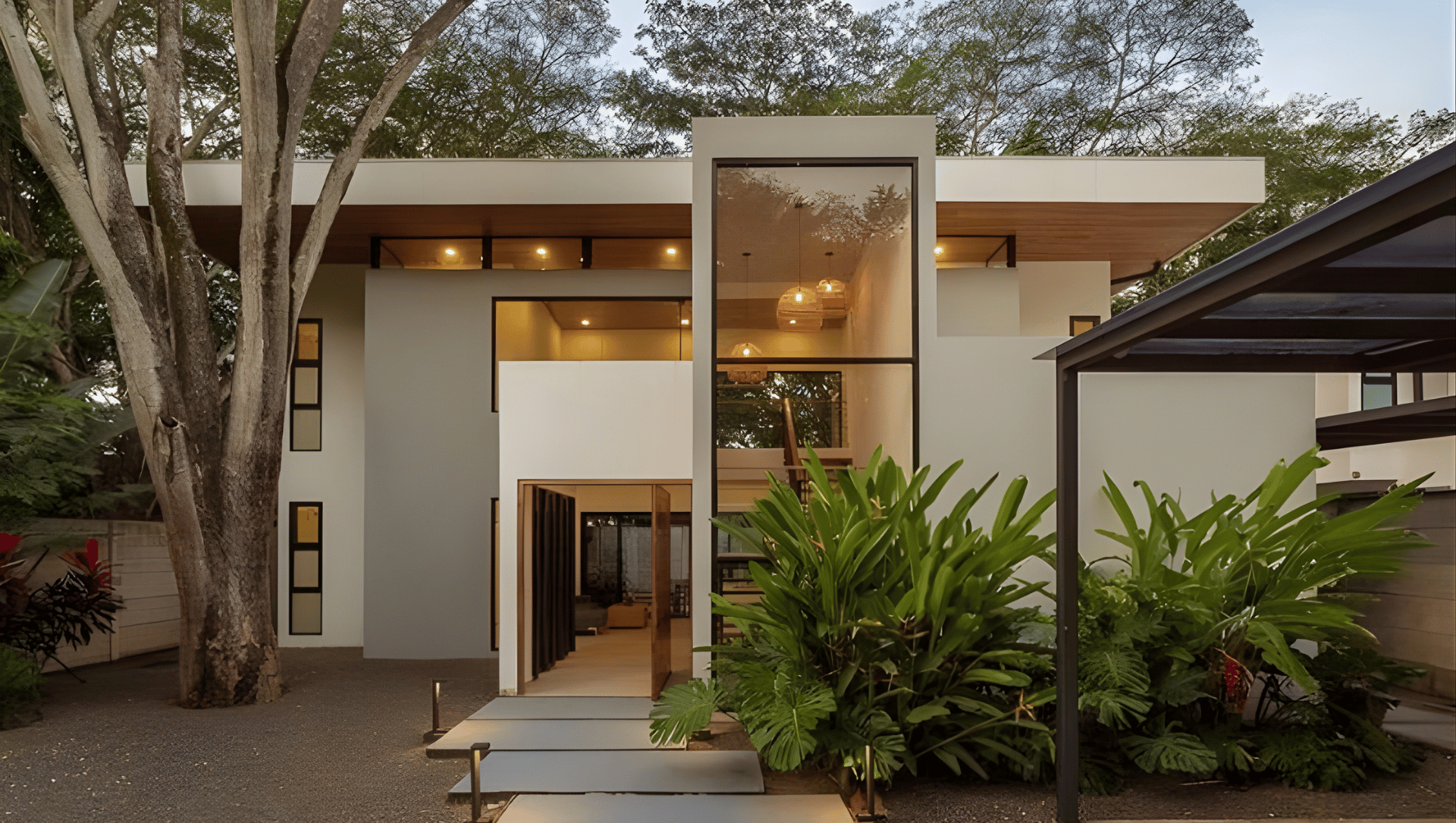
Quick Summary
- Construction costs range from $850 to $2,000 per square meter depending on finishes and location
- Raw land offers flexibility and lower upfront costs while gated communities provide infrastructure and permit advantages
- Reliable contractors are essential; vet them through references, licenses, and past projects
- Legal permits are required for all construction, including municipal approvals, environmental clearances, and utility connections
- Coldwell Banker Coast to Coast Properties provides guidance, contractor networks, and expert support for foreign buyers
Building a home in Costa Rica is exciting, but it takes more than buying land and hiring a contractor. In 2025, construction costs in areas like Guanacaste increased by nearly 12 percent. Many foreign buyers underestimate how complex the process can be, from selecting land to navigating permits, sourcing materials, and hiring trustworthy contractors.
I have helped clients avoid costly mistakes and delays by providing practical guidance every step of the way. This guide breaks down costs, land options, contractor vetting, and legal requirements for 2026. You will learn what works, what to watch out for, and how to plan your project efficiently.
Understanding Costa Rica Construction Costs
Cost Per Square Meter
Construction costs vary based on location, finishes, and project scope. Typical ranges are:
| Finish Type | Cost per m² | Notes |
|---|---|---|
| Standard | $850–$1,100 | Durable materials, basic flooring and fixtures, suitable for mid-range homes |
| High-End | $1,200–$1,800 | Premium materials, modern appliances, luxury bathrooms, better insulation |
| Luxury Custom | $2,000+ | Fully customized designs, high-end materials, unique architectural features |
Additional costs: Always budget an extra 10 to 15 percent for contingencies such as shipping delays, labor availability, or unexpected site challenges.
Factors That Influence Costs
- Imported materials can increase prices and lead to delays
- Labor costs fluctuate seasonally and affect timelines
- Currency changes impact foreign buyers paying in USD or other currencies
- Coastal or uneven plots may require additional site preparation
Choosing the Right Land
Deciding between raw land and a gated community lot is one of the first choices you will face.Raw land:
- Lower upfront costs and freedom to design your home exactly as you want
- Requires securing permits, connecting utilities, and preparing the site
- May involve extra time and resources to complete construction
Gated community lots:
- Fully developed with roads, utilities, and security
- Higher price but fewer logistical challenges
- Permit approvals are generally faster and more streamlined
Location matters: Coastal properties in Guanacaste are popular and offer scenic views, but prices are higher. Inland lots are more affordable and quiet but may require additional work to access utilities and infrastructure.
Browse Available Costa Rica Plots with Coldwell Banker Coast to Coast Properties
Finding and Vetting Reliable Contractors
Selecting the right contractor is critical. Mistakes here can delay your project or increase costs.- Check past projects: Ask to see photos and details of previous homes built by the contractor. Verify quality and experience.
- Verify licenses and registration: Make sure the contractor is legally registered with Costa Rican authorities.
- Request detailed quotes: Obtain itemized cost breakdowns and realistic timelines. Avoid vague estimates.
- Visit ongoing projects: If possible, see current projects firsthand to assess workmanship.
Coldwell Banker Coast to Coast Properties has a pre-vetted network of contractors, which helps foreign buyers avoid risks and delays.
Explore Trusted Contractor Options Here

Legal Requirements and Permits
All construction must comply with local regulations to avoid fines or delays. Essential steps include:- Municipal approvals: Register your project with local authorities to ensure zoning and safety compliance
- Environmental permits: Required in some areas, especially near protected zones or water bodies
- Utility approvals: Secure water, electricity, and sewage connections before construction
- Building codes: All structures must meet Costa Rica’s construction standards
Working with a local attorney or agency ensures paperwork is done correctly and helps prevent legal complications.
Why Choose Coldwell Banker Coast to Coast Properties
We simplify the process of building your home in Costa Rica:
Local Expertise and Market Knowledge
Extensive experience guiding foreign buyers through the Costa Rican market
Proven Track Record of Success
Hundreds of homes built, sold, or managed successfully
Personalized Advisory Services
Tailored strategies for your project, location, and budget
Dedicated Support
Guidance from land selection to handing over the keys
Advanced Tools
Bilingual listings, virtual tours, and property tracking systems
Working with us means you gain a partner who understands the market, the legal requirements, and the most reliable contractors.
Frequently Asked Questions
How long does it take to build a home in Costa Rica?
Construction usually takes 12 to 18 months for a standard home. Luxury projects can take longer because of custom designs, imported materials, and detailed finishes. Permit approvals may add several months, especially for coastal or environmentally sensitive plots. Planning ahead and setting clear expectations with your contractor is essential.
Can foreign buyers finance construction in Costa Rica?
Financing options exist but are limited. Many banks require proof of income and Costa Rican residency. Some buyers pay directly or use local construction financing contracts. Working with an agency familiar with local lenders can help secure better terms and reduce risk.
Are foreigners allowed to own property in Costa Rica?
Yes. Foreign buyers can own property outright, including beachfront lots. Some areas require additional permits for construction near protected zones, but ownership itself is straightforward. Using local legal guidance ensures compliance.
How can I avoid contractor scams or delays?
Vet contractors carefully by checking references, verifying registration, requesting detailed quotes, and visiting ongoing projects. Using Coldwell Banker Coast to Coast Properties’ network of trusted contractors significantly reduces risk.
Should I choose raw land or a gated community lot?
Raw land is more affordable and flexible but requires more work for permits and utilities. Gated community lots are more expensive but offer ready infrastructure, security, and streamlined permits. The choice depends on your budget, project complexity, and lifestyle preferences.
Conclusion
Building a home in Costa Rica is rewarding if planned carefully. Understanding construction costs, choosing the right land, hiring reliable contractors, and following legal requirements are all essential for a smooth project.With the right guidance, your dream home in Costa Rica can become a reality. Contact Coldwell Banker Coast to Coast Properties today to explore plots, connect with trusted contractors, and start your 2026 construction project.
Start Your Costa Rica Home Project Today