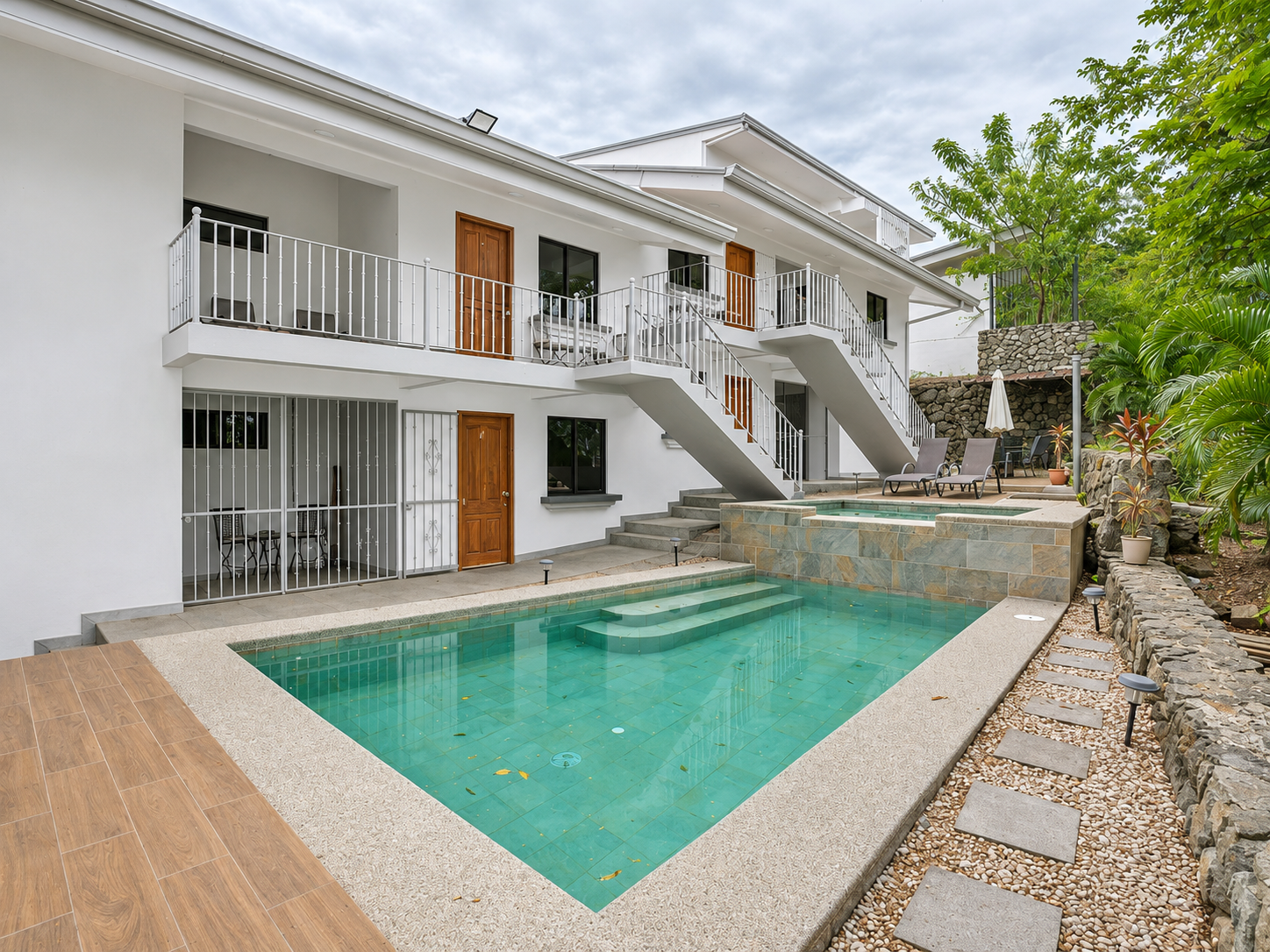
Playas del Coco sits on Costa Rica’s Pacific coast, drawing international buyers with its beaches, expatriate community and relaxed lifestyle. The town’s condo market offers everything from practical holiday apartments to residences with ocean views, but purchasing property in a foreign legal system demands careful preparation.
Before you submit an offer on a condo in Playas del Coco, verify ownership documents, understand the homeowners’ association structure, assess the physical condition of your unit and the shared infrastructure, and confirm that community rules align with your plans. Missing a critical detail can expose you to unexpected fees, rental restrictions or maintenance liabilities.
This guide explains the essential checks to complete before committing to a Playas del Coco condominium, including the documents to request, questions to ask and issues to resolve with your independent advisers.

Understanding Costa Rica’s Condominium Regime
Costa Rica’s condominium system operates under Law 7933, the Ley Reguladora de la Propiedad en Condominio. The regime combines individual ownership of registered units, known as fincas filiales, with rights and obligations relating to common property.
Your lawyer should obtain the registered constitutive deed, condominium regulations and relevant plans. These documents identify unit boundaries, ownership interests in common property, administration arrangements and the obligations associated with each unit.
The condominium framework affects community expenses, voting arrangements, alterations and use of shared facilities. Do not assume that a terrace, parking space or storage area is privately owned simply because the seller uses it. Confirm whether it forms part of the unit, has a separate title or is common property assigned for exclusive use.
Legal and Title Documentation You Must Review
Request an updated property study, or estudio de propiedad, from an independent Costa Rican lawyer. The investigation should establish the registered owner, identify mortgages, liens and other restrictions, and compare the registered description with the cadastral documentation and physical property.
The review should confirm that the condominium regime is properly registered and that the specific unit has an identifiable registration as a finca filial. Municipal taxes, utility accounts and association debts require their own checks and should not be assumed clear from a registry search alone.
Ask your lawyer to confirm the seller’s authority to sell. If a corporation owns the property, verify its legal standing, relevant obligations and the authority of the person signing the transaction documents.
Review the constitutive documents, regulations and amendments. Ask your lawyer to distinguish between registered rules, valid assembly decisions and informal practices followed by the administration.
Obtain meeting minutes covering at least the previous 12 months. These can reveal proposed assessments, owner disputes, major repairs, insurance concerns and changes to community rules.
HOA Fees, Reserve Funds and Financial Health
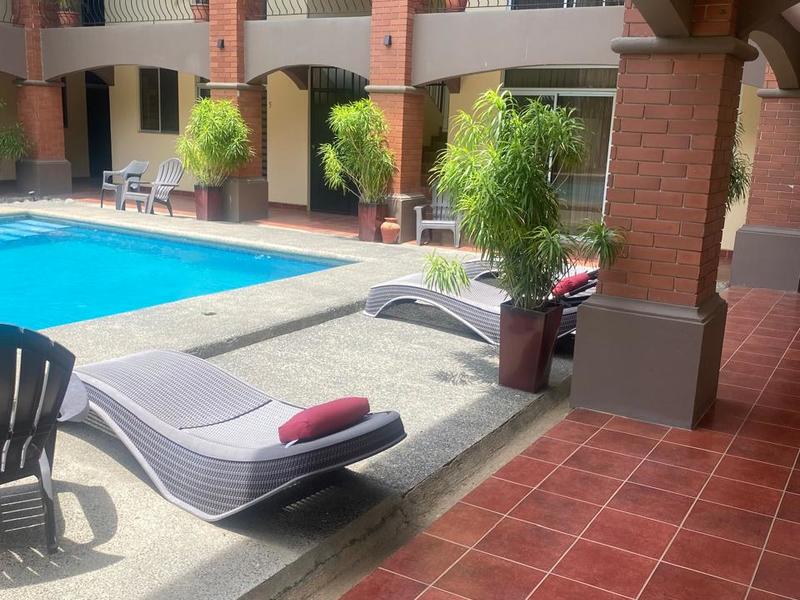
Monthly homeowners’ association fees vary according to facilities, staffing, insurance, maintenance needs and the number of owners sharing expenses. A low fee is not necessarily an advantage if the association postpones repairs or repeatedly requires special assessments.
Comparing Monthly HOA Budgets
Use the following illustrative budget bands to organise your questions. They are not quoted fees for named developments, and the services listed must be checked against each condominium’s approved budget.
| Condo Type to Compare | Illustrative Monthly Budget | Services and Expenses to Verify |
|---|---|---|
| Basic complex without a lift | US$100 to US$180 | Building maintenance, cleaning, shared water, landscaping, security arrangements and building insurance. |
| Complex with shared facilities | US$200 to US$350 | Pool maintenance, administration, gardens, pest control, security, gym access and reserve contributions. |
| Complex near the beach or with extensive amenities | US$400 to US$600 | Security coverage, pools, landscaped grounds, fitness facilities, access maintenance and insurance. |
| Luxury complex with extensive services | US$600 or more | Concierge arrangements, wellness facilities, security, insurance, reserve funding and any additional services in the approved budget. |
A specific portfolio example is Sombras 501, advertised by Coldwell Banker Coast to Coast for US$410,000. Its listing publishes a monthly HOA fee of US$470, including garden maintenance, security with a guard around the clock, two pools and parking within the condominium. This provides a concrete starting point for comparing fees against identified services.
Request a written breakdown showing which expenses are included and which remain your responsibility. Individual electricity, interior repairs, contents insurance and rental management may be separate from the community fee.
The reserve fund deserves particular attention. Review its balance, contribution history and the maintenance or replacement work it must finance. Reserve adequacy depends on the building’s condition and expected expenditure, rather than a universal target expressed as a fixed number of months of operating costs.
Review the annual budget, financial statements, outstanding owner balances and any approved or proposed special assessments. Ask how the association intends to fund major works without relying on optimistic assumptions about future collections.
Confirm the Seller’s HOA Account Before Closing
Obtain the administrator’s certification of the seller’s common expense account, often referred to as a paz y salvo when it confirms that payments are current. Article 21 of Law 7933 requires the transferor to present this certification to the notary and provides that the buyer becomes jointly liable for the certified amount if there are arrears. Have your lawyer confirm how any outstanding balance will be settled before completion.
Community Rules, Rental Restrictions and Lifestyle Fit
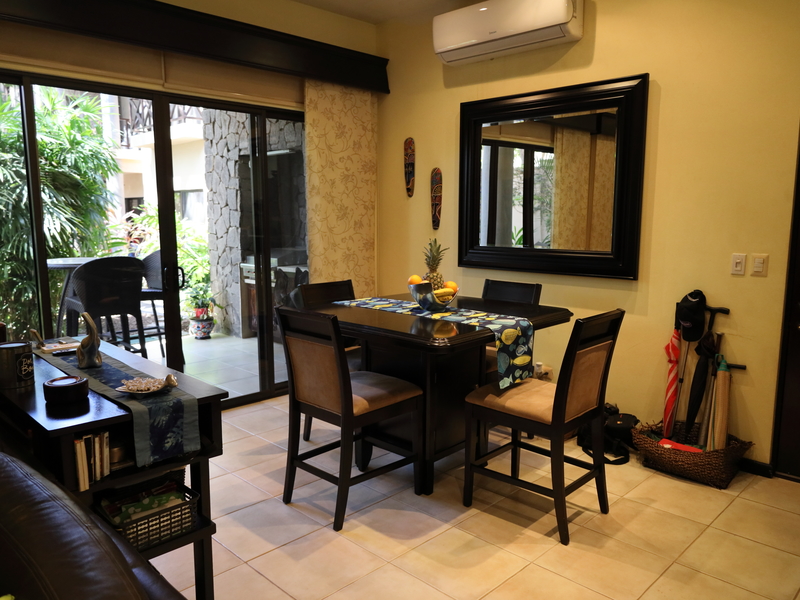
Condominium rules can regulate holiday rentals, longer leases, occupancy, noise, pets and guests. If you intend to advertise on Airbnb or Vrbo, obtain written confirmation that the proposed activity is permitted and check any minimum stay, registration or access requirements.
Review meeting minutes for discussions about changing rental policies. Ask whether owners must register tenants, use a particular management service or pay additional charges. Community permission does not replace any applicable legal, operating or tax requirements.
If you have pets, check restrictions on size, number and access to common facilities. Review guest policies and parking arrangements, including visitor registration and the number of vehicles permitted.
Visit at different times of day to assess noise and activity. A complex with many holiday guests may feel different from one occupied mainly by permanent residents. Choose a community whose daily atmosphere suits your plans.
Physical Inspection Checklist for the Unit and Common Areas
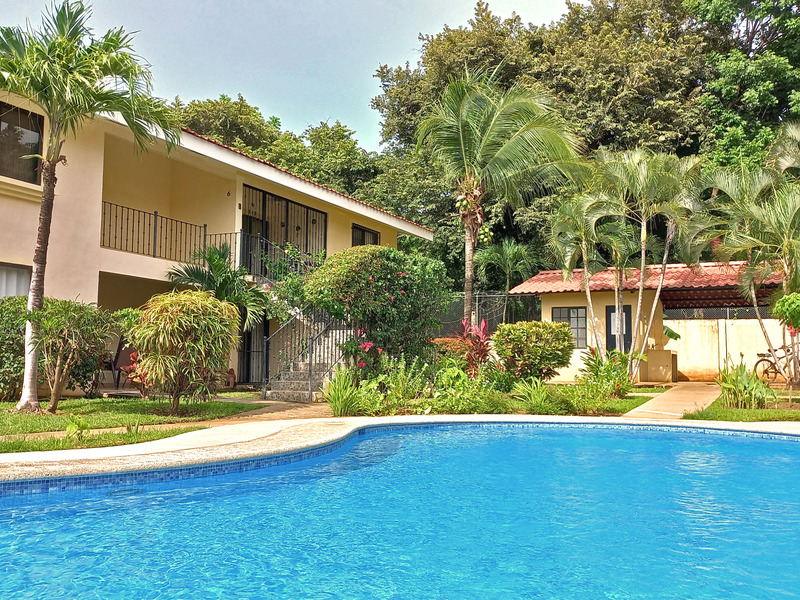
Hire a qualified inspector to assess the structure, electrical and plumbing systems, windows, doors, air conditioning, appliances and finishes. Tropical humidity, heavy seasonal rain and coastal exposure make moisture and corrosion particularly important considerations.
Water Pressure and Plumbing
Test taps, showers and toilets, including simultaneous use where appropriate. Investigate weak pressure rather than assuming its cause. Check beneath sinks for leaks, corrosion and previous damage, and ask about the water heater’s age and servicing.
Electrical Panel and Wiring
Have an electrician review the panel, circuit protection, labelling and capacity for air conditioning and appliances. Investigate signs of overheating, exposed wiring and undocumented alterations.
Mould and Moisture
Inspect cupboards, bathrooms, kitchen cabinetry and air conditioning equipment. Persistent odours, stains and warped wood warrant further investigation. Check ventilation and the condition of window and door seals.
Roof Condition
Ask about roof age, previous leaks, recent repairs and replacement planning. If you are buying on the highest floor, investigate the roof above the unit. Confirm who is responsible for repairs and how future work will be funded.
Pool Equipment
Request maintenance records for pumps, filtration and treatment equipment. Ask when major components were replaced and whether the budget provides for future renewals.
Parking Space Verification
Locate the parking space and compare its identification with the ownership documents and administration records. Check dimensions, lighting, security, vehicle access and whether the space is covered.
Concrete and Structural Condition
Inspect walls, columns, balconies and stairs. Significant cracking, exposed reinforcement, concrete deterioration or deformation should be assessed by an appropriate professional. A visual inspection alone cannot establish structural safety.
Request records for major equipment, repairs and pest treatment. Walk the common areas with the same critical eye. Deteriorated paint, broken pool tiles, rusted gates or neglected landscaping may indicate work that has been postponed and will need funding.
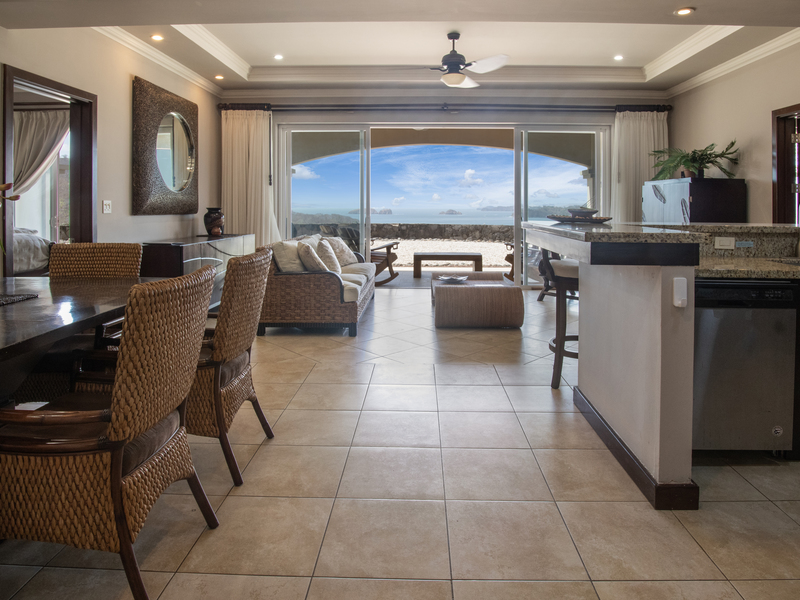
Questions to Ask the Seller and HOA Manager
Specific questions can uncover issues that a viewing does not reveal. Request written answers and compare them with financial statements, meeting minutes, invoices and maintenance records.
- When was the roof last replaced or substantially repaired?
- What major repairs or improvements are planned in the next 24 months?
- What percentage of owners are current on HOA payments?
- Have special assessments been approved, and for what amounts and purposes?
- Are there pending or threatened legal disputes involving the community?
- What is the reserve balance, and which projects must it fund?
- What does the master insurance policy cover, and what are its limits and deductibles?
- Which utilities are individually metered and billed?
- Have water, electricity, internet or waste services experienced recurring problems?
- What approvals are required for alterations to individual units?
Red Flags to Resolve Before Committing
- Unclear registration: do not proceed without identifying the property, its owner and its legal classification.
- Missing HOA certification or outstanding debts: establish why the document is unavailable and how any balance will be settled. A missing certificate does not by itself prove debt, but it leaves an essential check unresolved.
- Insufficient reserves and major works: request realistic cost estimates and a funding plan, particularly where assessments have been repeated.
- Significant payment arrears: assess the effect on cash flow, maintenance and the association’s collection arrangements.
- Litigation: have your lawyer assess potential financial exposure and insurance coverage.
- Structural damage: obtain an independent technical assessment and repair estimates.
- Rules conflicting with your plans: a property may be unsuitable if the regulations prohibit the rental activity, pets or other use you require.
Discuss unresolved issues with your lawyer before accepting unconditional obligations. Any offer made before investigations are complete should address the outstanding checks and the consequences of an unsatisfactory result.
Sample Due Diligence Timeline
A four week schedule can help organise the investigation, but timing depends on document availability, inspections and negotiated conditions. It is a planning framework rather than a guaranteed completion period.
Week 1: Lawyer Engagement and Initial Documents
- Retain an independent Costa Rican lawyer with property experience.
- Request the property’s registry study.
- Obtain the constitutive deed, regulations and amendments.
- Identify the administrator and relevant community representatives.
Week 2: Legal and Financial Review
- Review ownership, encumbrances and restrictions.
- Confirm unit boundaries and interests in common property.
- Examine meeting minutes, accounts, budgets and reserves.
- Check rental, pet and alteration rules.
Week 3: Inspection and Certification
- Arrange an independent inspection of the unit.
- Inspect shared facilities and common areas.
- Request the administrator’s certification of the seller’s account.
- Verify parking, storage and other associated rights.
- Obtain written confirmation of relevant rental arrangements.
Week 4: Resolve Issues and Agree Offer Conditions
- Resolve legal, technical and financial questions.
- Obtain documented answers from the seller and administrator.
- Review insurance and proposed repairs or assessments.
- Agree appropriate conditions, deadlines and document delivery requirements with your lawyer.
Complex ownership issues, missing records or substantial inspection findings can extend the process. Set deadlines that allow meaningful investigation rather than treating an indicative schedule as a reason to rush.
Working with a Local Real Estate Professional
A local agent can help shortlist communities, organise viewings, request documents and coordinate communication with sellers and administrators. Independent legal and technical advisers should handle the specialist investigations relevant to their professions.
Coldwell Banker Coast to Coast’s portfolio provides specific properties to compare. Marine Sunset No. 5 is advertised for US$260,000, while Sombras 501 is advertised for US$410,000. Both listings describe two bedrooms and two bathrooms, but a meaningful comparison must also consider location, condition, association costs and community rules.

Browse condos for sale in Playas del Coco and ask the team to help you compare the documents and practical features of the properties on your shortlist.
Frequently Asked Questions
Can Foreigners Own Condos in Playas del Coco?
Foreign buyers can generally acquire privately titled property in Costa Rica. Your lawyer should verify the unit’s legal classification and any relevant restrictions, especially if coastal concession rights are involved. Personal ownership and company structures require separate legal and tax consideration.
What Is a Paz y Salvo Certificate?
In this context, it refers to certification that the seller’s condominium account is current. Article 21 of Law 7933 requires the transferor to present the administrator’s certification to the notary and establishes the buyer’s joint liability for the certified amount where there are arrears. Request an updated certificate for completion and document how any debt will be paid.
Are Holiday Rentals Allowed in Every Condominium?
No. Rules vary by development. Review the regulations, current decisions, minimum stays and guest registration requirements. Confirm the legal and tax obligations of the proposed activity as well as the community’s policy.
How Much Should a Condo Reserve Fund Have?
The appropriate balance depends on facilities, building age, expected repairs and replacement costs. Compare reserves with a maintenance plan and realistic quotations. A fixed number of months of operating expenses does not, by itself, establish adequate funding.
Do I Need a Costa Rican Lawyer to Buy a Condo?
An ordinary transfer of registered property is formalised through a Costa Rican notary, who prepares the deed and handles registration. Independent legal advice helps you assess title, offer conditions, condominium documents and the obligations you will assume.
What Is Included in HOA Fees?
Inclusions depend on the condominium’s approved budget. They may cover cleaning, gardens, common lighting, security, pools, administration, insurance and reserves. Request a written breakdown and identify expenses that remain your responsibility, including individual utilities, interior maintenance and any additional insurance.
Compare Playas del Coco Condos with the Right Information
Tell Coldwell Banker Coast to Coast your budget, preferred location and whether you plan to live in the property, visit seasonally or rent it out. Ask for suitable listings and the available information on community fees, rules and maintenance.
Browse condos for sale in Playas del Coco or contact the team to arrange viewings.
Call +506 2670 0805 or email info@coldwellbankercr.com.