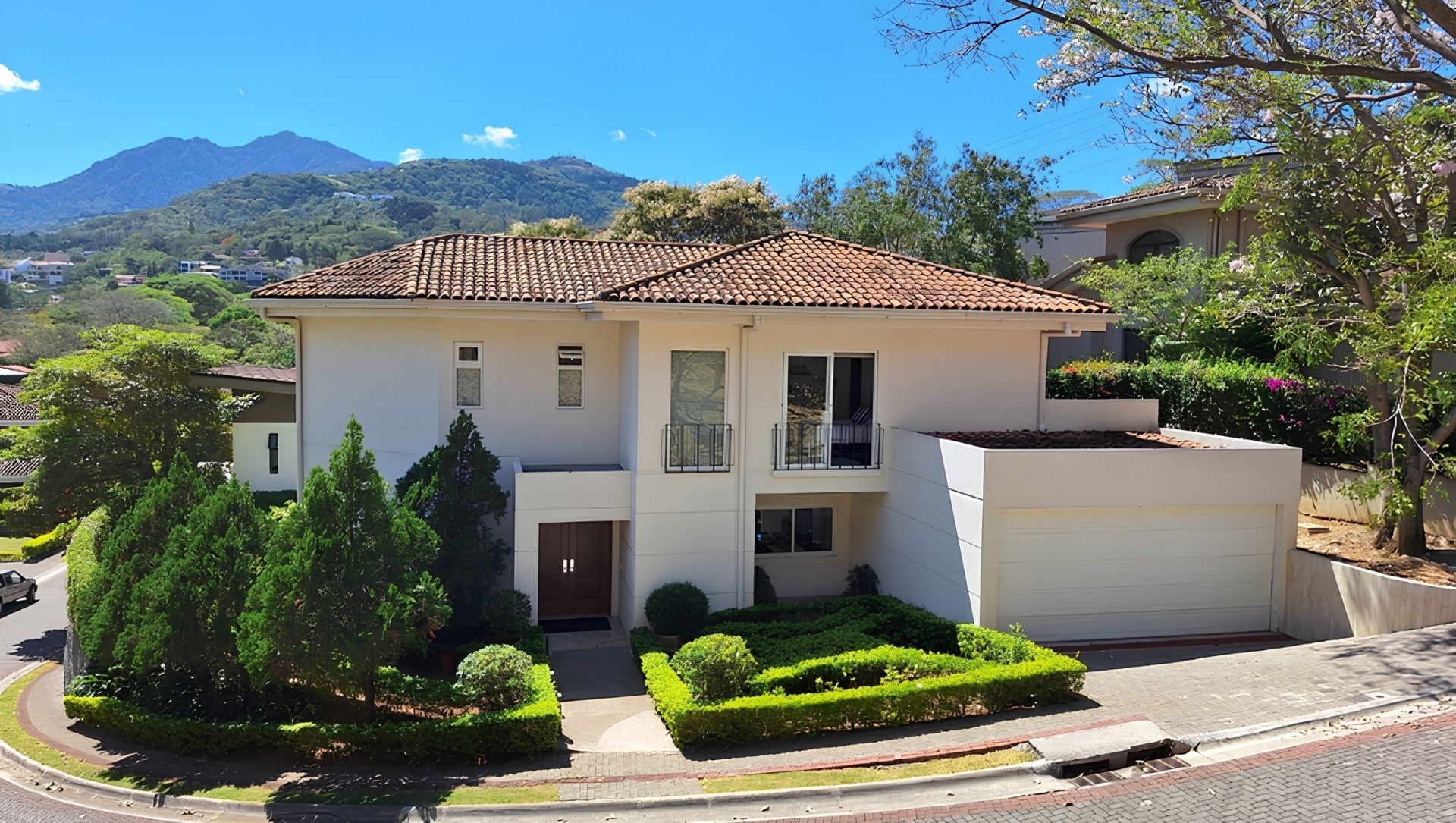
Elegir entre la tranquilidad residencial de Escazú Village y la comodidad de las zonas comerciales del resto de Escazú puede generar dudas entre los compradores sobre qué entorno encaja realmente mejor con su estilo de vida. El pueblo ofrece un ritmo más tranquilo, barrios consolidados y acceso a los servicios cotidianos, mientras que los principales centros comerciales, restaurantes, colegios y centros médicos se encuentran a una distancia relativamente corta en coche.
Para familias, profesionales, trabajadores en remoto y jubilados que estén considerando establecerse en el Valle Central de Costa Rica, la decisión suele reducirse a cuestiones prácticas. ¿Cuánto tiempo estás dispuesto a pasar al volante? ¿Qué importancia tienen para ti los colegios, la sanidad privada y una conexión a internet fiable? ¿Prefieres el ambiente de un barrio tradicional o te gustaría vivir más cerca de las zonas comerciales más concurridas de Escazú?
Esta guía analiza estas diferencias para ayudarte a decidir si Escazú Village debería formar parte de tu selección de propiedades. También puedes comparar las viviendas y condominios disponibles actualmente a través de los listados inmobiliarios disponibles en Escazú de Coldwell Banker Costa Rica.

Escazú Village frente a otras zonas cercanas
Entender dónde se encuentra Escazú Village dentro del área metropolitana ayuda a valorar mejor las diferencias en cuanto a estilo de vida. El pueblo tiene un carácter más residencial que las principales zonas comerciales de Escazú, pero al mismo tiempo ofrece un acceso más cómodo a servicios modernos que muchas comunidades más pequeñas situadas fuera de San José.
| Factor | Escazú Village | Escazú comercial | Centro de San José |
|---|---|---|---|
| Trayecto a San José | Moderado, con retrasos en horas punta | Buen acceso por carretera, pero con tráfico intenso | Ubicación céntrica |
| Ambiente | Tranquilo y residencial | Activo y comercial | Denso y urbano |
| Restaurantes y compras | Cafés, tiendas y servicios locales | Grandes centros comerciales, restaurantes y servicios | Amplia oferta urbana |
| Movilidad a pie | Algunos recados pueden hacerse a pie | Dependencia habitual del coche | Generalmente más accesible a pie |
| Ideal para | Familias, jubilados y trabajadores en remoto | Quienes priorizan la comodidad | Quienes buscan un estilo de vida urbano |
Para los compradores que estén comparando distintas comunidades del oeste de San José, también merece la pena explorar las propiedades en Santa Ana. Santa Ana es otra zona residencial consolidada que combina desarrollos modernos, restaurantes, comercios y un cómodo acceso al sector occidental del área metropolitana.
¿Qué diferencia a Escazú Village?
Escazú lleva mucho tiempo asociado a algunas de las comunidades residenciales más consolidadas del Valle Central. Viviendas contemporáneas, condominios, casas adosadas y urbanizaciones cerradas conviven con calles más antiguas, negocios tradicionales y barrios que conservan un marcado carácter costarricense.
Esta combinación es una de las principales ventajas del pueblo. Los residentes pueden vivir en propiedades modernas con seguridad, aparcamiento, buena conexión a internet y servicios actuales, sin renunciar a la cercanía de restaurantes tradicionales, pequeños comercios y la vida cotidiana de la comunidad.
Por tanto, Escazú Village ocupa un interesante punto intermedio. No tiene un carácter tan intensamente comercial como las zonas próximas a los grandes centros comerciales, pero tampoco obliga a sus residentes a renunciar al fácil acceso a los servicios que hacen más cómoda la vida diaria.

Servicios cotidianos en Escazú Village
Muchos de los recados diarios pueden realizarse dentro de un radio relativamente reducido. Los residentes tienen acceso a farmacias, supermercados, bancos, restaurantes y servicios profesionales sin necesidad de desplazarse al centro de San José para cada cita o compra.
Para compras más importantes, una mayor variedad gastronómica y servicios especializados, las zonas comerciales de Multiplaza y Avenida Escazú se encuentran a poca distancia en coche desde muchos puntos del pueblo. AutoMercado, PriceSmart, gimnasios, restaurantes, cafeterías y oficinas profesionales se concentran en distintos puntos del área de Escazú.
El acceso a estos dos entornos es parte del atractivo de la zona. El pueblo puede ofrecer una base residencial más tranquila, mientras que la parte comercial de Escazú proporciona la amplia variedad de servicios que muchos compradores internacionales buscan.

Colegios, sanidad y vida familiar
El acceso a la educación es una de las principales razones por las que muchas familias consideran Escazú. En Escazú y las comunidades cercanas existen diferentes opciones de colegios bilingües e internacionales, lo que ofrece a las familias que se trasladan a la zona una mayor variedad de alternativas que en localidades más pequeñas.
El acceso a la sanidad privada supone otra ventaja práctica. En el oeste del área metropolitana de San José hay hospitales, centros médicos, farmacias, dentistas y consultas de especialistas.
Para los residentes internacionales, la posibilidad de encontrar profesionales que hablen inglés también puede facilitar el proceso de adaptación. El español sigue siendo importante para la vida cotidiana en Costa Rica, pero Escazú dispone de una oferta relativamente amplia de servicios acostumbrados a trabajar con residentes internacionales.

Restaurantes, compras y vida social
Escazú ofrece una amplia variedad gastronómica. En el propio pueblo hay cafeterías, restaurantes locales y pequeños establecimientos, mientras que el resto de la zona cuenta con cocina internacional, panaderías, asadores, restaurantes informales y establecimientos de gama alta.
El ambiente general es más residencial que orientado a la vida nocturna. Es habitual encontrar familias, profesionales y jubilados, y la vida social de la zona suele girar en torno a restaurantes, cafeterías, colegios, centros deportivos, clubes privados y actividades comunitarias.
Quienes busquen una oferta de ocio nocturno más intensa pueden preferir el centro de San José. Escazú suele adaptarse mejor a residentes que valoran especialmente la comodidad, la privacidad, una rutina tranquila y el acceso a servicios.
¿Qué tipos de propiedades están disponibles?
El mercado inmobiliario de Escazú incluye una amplia variedad de condominios, apartamentos, casas adosadas, viviendas en urbanizaciones cerradas, casas independientes de mayor tamaño y propiedades de lujo.
Los condominios pueden resultar atractivos para compradores que buscan seguridad, servicios compartidos y un mantenimiento más sencillo. Las casas adosadas y las viviendas en urbanizaciones cerradas suelen ofrecer más espacio interior sin renunciar a los servicios comunitarios. Las viviendas independientes de mayor tamaño pueden proporcionar jardines privados, más plazas de aparcamiento y mayor privacidad.
Las diferencias entre cada urbanización son tan importantes como el tipo de propiedad. Los compradores deberían prestar atención al acceso por carretera, la altitud, la luz natural, el tráfico, las normas de la comunidad de propietarios, el drenaje, las medidas de seguridad y la proximidad a colegios o lugares de trabajo.
Un inmueble actual de Coldwell Banker CR muestra lo que pueden encontrar los compradores
Un buen ejemplo de Coldwell Banker Coast to Coast Properties es la propiedad ID 13874, una vivienda situada en una comunidad cerrada de Escazú con vistas al valle.
La propiedad se anuncia actualmente por 395.000 dólares e incluye tres dormitorios, cuatro baños y aproximadamente 2.874 pies cuadrados de superficie. El anuncio describe una distribución de concepto abierto, grandes ventanales, cuatro plazas de aparcamiento y una terraza en la azotea con vistas al Valle Central.
Entre los servicios de la comunidad se incluyen una casa club, piscina, gimnasio, jacuzzi, sauna, zona de juegos infantil, aparcamiento para visitantes y acceso controlado. Es un ejemplo concreto de la combinación que buscan muchos compradores en Escazú: un entorno residencial, buenas vistas, seguridad y servicios modernos sin renunciar al acceso a la ciudad.

¿Conviene alquilar antes de comprar?
Alquilar antes de comprar puede ser una buena opción para quienes todavía no conocen bien Escazú. La zona parece compacta en un mapa, pero cada barrio puede ofrecer una experiencia muy diferente cuando se conocen de primera mano el tráfico, la altitud, los accesos por carretera y la proximidad a los servicios cotidianos.
Un periodo de prueba permite descubrir si prefieres el centro del pueblo, una urbanización residencial cerrada, las zonas más elevadas con vistas más amplias o una ubicación más próxima a Avenida Escazú y al principal corredor comercial.
También permite comprobar cuánto tiempo estás dispuesto a pasar al volante y qué colegios, lugares de trabajo, centros médicos y zonas comerciales acabarán formando parte de tu rutina habitual.
Clima y cambios estacionales
Escazú experimenta las estaciones seca y lluviosa características de Costa Rica, aunque su altitud puede hacer que las temperaturas resulten más suaves que en muchas zonas costeras.
La estación seca suele extenderse de diciembre a abril. Las mañanas soleadas y las tardes y noches relativamente suaves hacen que sea una época popular entre los visitantes y quienes viajan a la zona para visitar propiedades.
La estación lluviosa suele prolongarse de mayo a noviembre. Las precipitaciones aparecen con frecuencia durante la segunda mitad del día y pueden ser más intensas durante los últimos meses de esta estación.
Al valorar una vivienda, conviene prestar atención al drenaje, la pendiente de las carreteras y el acceso en vehículo. Las condiciones pueden ser muy diferentes después de varios días de lluvia en comparación con los meses más secos.
Aspectos a tener en cuenta sobre el coste de vida
Escazú está considerado generalmente como una de las zonas residenciales de mayor nivel del Valle Central, por lo que los compradores deben tener en cuenta que algunos gastos cotidianos pueden reflejar este posicionamiento.
Vivienda
Los precios de la vivienda varían considerablemente según el barrio, la antigüedad de la propiedad, el tamaño, las vistas, los servicios y la seguridad. Los condominios pueden ofrecer un punto de entrada más asequible, mientras que las viviendas de gran tamaño en urbanizaciones cerradas consolidadas pueden alcanzar precios considerablemente más elevados.
Alimentación
Los residentes pueden elegir entre supermercados de gama alta, grandes establecimientos para socios, supermercados convencionales y pequeños comercios de barrio. Los hogares que compran con frecuencia productos importados pueden esperar un gasto mayor en alimentación que aquellos que consumen principalmente productos locales.
Suministros y cuotas comunitarias
Los gastos mensuales pueden incluir electricidad, agua, internet, seguridad, mantenimiento de jardines y cuotas de la comunidad de propietarios cuando corresponda. Las propiedades con piscina, amplias zonas ajardinadas o grandes espacios comunes pueden tener costes de mantenimiento más elevados.
Educación
Las familias que estén considerando colegios privados o internacionales deberían incluir en su presupuesto de traslado las matrículas, el transporte, los uniformes, las comidas y las actividades extraescolares.
Cómo desplazarse por Escazú
Disponer de coche resulta útil para la mayoría de los hogares de Escazú. Algunos recados pueden hacerse a pie en el centro del pueblo, pero el conjunto de la zona es extenso y la infraestructura peatonal varía según el lugar.
El tráfico es uno de los aspectos prácticos más importantes que conviene valorar. Una propiedad que parece estar bien situada en un mapa puede implicar un tiempo de desplazamiento muy diferente durante las horas punta.
Los compradores que trabajen en remoto o tengan horarios flexibles pueden tener más facilidad para evitar los periodos de mayor tráfico. Las familias también deberían tener en cuenta el trayecto diario entre la vivienda, el colegio, las actividades y las zonas comerciales, en lugar de valorar una propiedad únicamente por su distancia al centro de San José.
La conectividad a internet es otra de las razones por las que la zona atrae a profesionales y trabajadores en remoto. La fibra óptica está disponible en muchas partes de Escazú, aunque los compradores deberían confirmar siempre qué proveedor y qué tipo de conexión están disponibles en cada propiedad concreta.
Preguntas frecuentes sobre vivir en Escazú Village
¿Es Escazú Village una buena opción para familias?
Puede resultar especialmente atractivo para familias gracias a su carácter residencial, el acceso a colegios privados e internacionales, los servicios médicos, las zonas comerciales y la disponibilidad de urbanizaciones cerradas con servicios compartidos.
¿Es Escazú más caro que el centro de San José?
La vivienda, los restaurantes de gama alta y los productos importados pueden resultar más caros en Escazú que en muchas zonas del centro de San José. En general, los compradores pagan por una combinación diferente de entorno residencial, viviendas más modernas, servicios y acceso al sector occidental de San José.
¿Es necesario tener coche en Escazú Village?
Para la mayoría de los hogares, disponer de coche resulta práctico. Algunos recados dentro del pueblo pueden hacerse a pie, pero los desplazamientos al colegio, las compras grandes, las citas y los trayectos al trabajo suelen ser más fáciles con transporte privado.
¿Es Escazú adecuado para trabajadores en remoto?
Sí. La buena disponibilidad de internet, el acceso a servicios profesionales y la proximidad a San José convierten Escazú en una opción práctica para muchos profesionales que trabajan en remoto. Aun así, es recomendable confirmar la conexión de fibra óptica disponible en una propiedad concreta antes de comprarla o firmar un contrato de alquiler.
¿A qué distancia se encuentra la sanidad privada?
En Escazú y el oeste de San José hay hospitales privados, clínicas, consultas de especialistas, dentistas y farmacias, algo especialmente importante para familias y jubilados.
Qué deberían comprobar los compradores antes de adquirir una propiedad
Encontrar la casa o el condominio adecuado es solo una parte de una compra satisfactoria. Los compradores también deberían revisar los registros de propiedad, la información registral, la estructura jurídica, las normas de la comunidad de propietarios cuando corresponda y el estado físico del inmueble.
Coldwell Banker Coast to Coast Properties ofrece una completa guía para comprar una vivienda en Costa Rica que explica muchos de los aspectos que los compradores internacionales deberían conocer antes de seguir adelante.
Quienes quieran entender mejor cómo funciona la operación también pueden consultar la explicación de la agencia sobre el proceso de compra de una propiedad en Costa Rica.
Además de la revisión jurídica, dedica tiempo a evaluar la propiedad como lugar para vivir. Visítala a distintas horas del día siempre que sea posible. Presta atención al tráfico y al ruido. Comprueba la luz natural. Pregunta por la presión del agua y el servicio de internet. Revisa el drenaje. Haz el trayecto hasta el colegio o el trabajo durante un horario de desplazamiento realista.
Estos detalles suelen tener un mayor impacto en la satisfacción a largo plazo que disponer de un dormitorio adicional o de una superficie ligeramente mayor.

¿Es Escazú Village adecuado para ti?
Escazú Village es especialmente adecuado para compradores que buscan una base estable en el Valle Central, con carácter residencial y fácil acceso a colegios, sanidad, comercios, restaurantes y San José.
Puede resultar menos adecuado para quienes buscan un estilo de vida junto a la playa, una intensa vida nocturna o una rutina completamente independiente del coche. Los compradores cuyo principal objetivo sea encontrar el menor coste de vivienda posible también pueden encontrar mejores opciones en otras comunidades.
Para familias, profesionales, jubilados y trabajadores en remoto que valoran las buenas infraestructuras y la comodidad, pero que no quieren vivir en pleno centro de la capital, Escazú continúa siendo una de las opciones residenciales más prácticas de Costa Rica.
La clave está en elegir la zona de Escazú que mejor se adapte a tu forma de vida. Compara el pueblo con el corredor comercial, visita las propiedades a distintas horas del día y valora cada vivienda según tu rutina cotidiana, no solo por las características que aparecen en el anuncio.