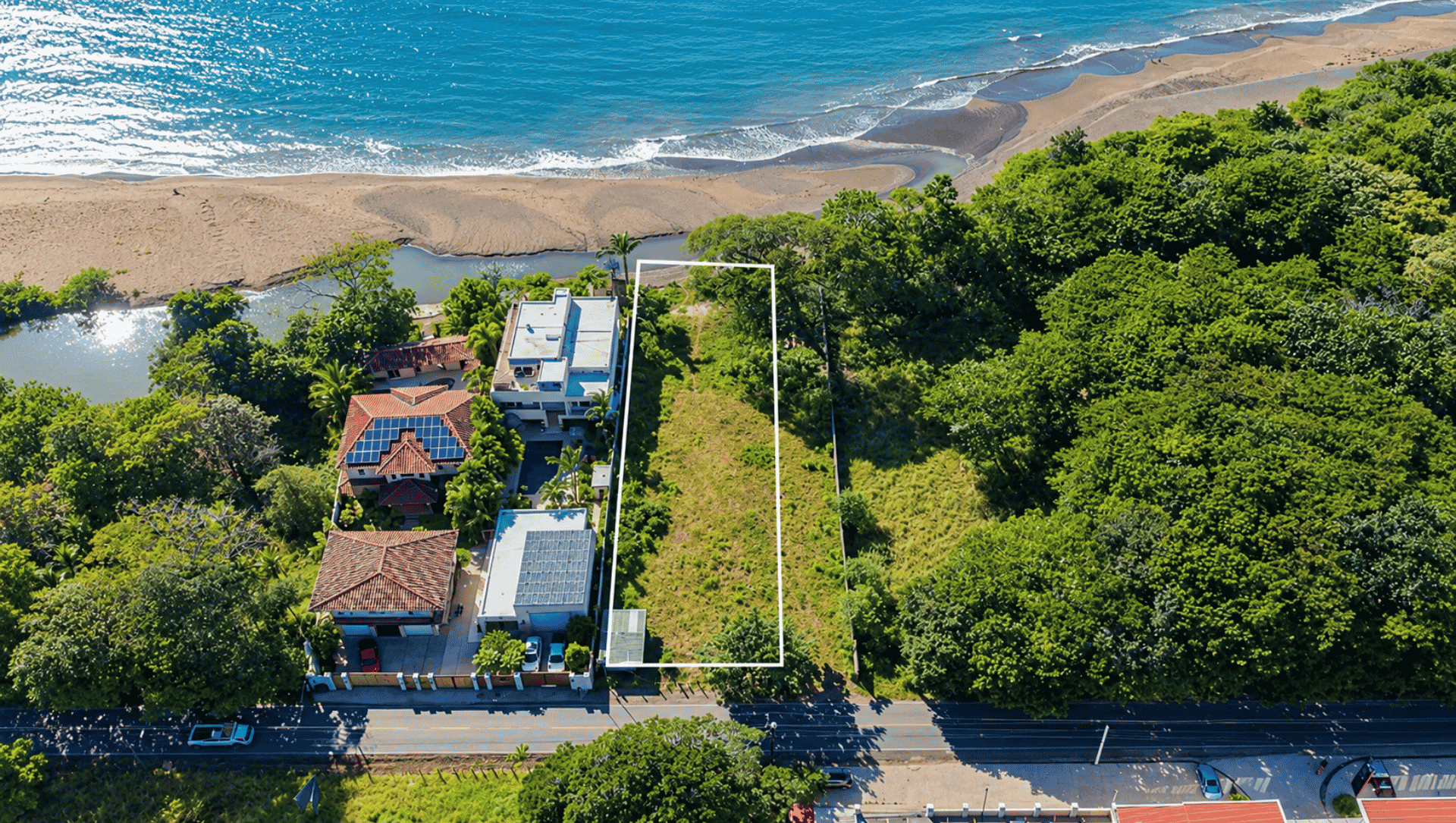
Quick Summary
- Foreign buyers can generally purchase titled property in Costa Rica with ownership rights similar to those of Costa Rican citizens.
- Property inside the Maritime Zone follows a different legal structure and may be governed by a municipal concession.
- Water availability, registered access, zoning, boundaries, and environmental restrictions should be verified before closing.
- Residential lots, agricultural land, and development parcels require different levels of investigation.
- Active listing prices provide useful context, but they should not be treated as completed sale data.
- A Costa Rican attorney and notary should review the title, purchase agreement, survey, and transfer documents.
Buying land in Costa Rica involves much more than choosing a beautiful location. Before making an offer, you need to know whether the parcel has registered access, reliable water availability, suitable zoning, buildable terrain, environmental restrictions, and a clear ownership structure.
These questions matter whether you plan to build a private home, operate a farm, create vacation rentals, develop a commercial project, or hold the property as a long term investment. A parcel may have an attractive price and impressive views, but those advantages mean little if legal access, water documentation, construction permissions, or property boundaries cannot be verified.
Coldwell Banker Coast to Coast Properties helps buyers compare land according to its intended use, location, infrastructure, legal status, and development potential. You can begin by viewing the agency’s current Costa Rica land listings or by contacting the team for personalized assistance.
What Should You Check Before Buying Land in Costa Rica?
The most important question is not simply whether you like the property. It is whether the land can legally and practically support your plans.
Before submitting an offer, buyers should investigate the following:
- Ownership structure: Confirm whether the property has a registered title, possession rights, or a Maritime Zone concession.
- Legal access: Verify that access is recorded and does not depend on an informal arrangement with a neighboring owner.
- Water availability: Confirm the legal source of water and obtain supporting documentation.
- Electricity and internet: Determine where existing service lines are located and what connection costs may apply.
- Permitted use: Request municipal land use documentation for the intended residential, agricultural, commercial, or tourism project.
- Topography: Evaluate slope, drainage, soil conditions, retaining requirements, and usable construction area.
- Environmental restrictions: Check for protected forests, rivers, wetlands, water setbacks, and other regulated areas.
- Property boundaries: Compare the registered description with the cadastral map and consider an independent survey.
- Financial obligations: Review property taxes, municipal balances, association fees, mortgages, liens, and recorded encumbrances.
Coldwell Banker’s Costa Rica buying process guide explains how the offer, legal review, title research, transfer deed, and registration process generally work.
Types of Land for Sale in Costa Rica
Costa Rica offers land for many purposes, but every category comes with a different set of questions. The following comparison can help you identify which type of property fits your goals.
| Land Type | Common Purpose | Important Documents | Main Questions |
|---|---|---|---|
| Residential Lot | Primary home, vacation home, or rental property | Title report, cadastral map, land use letter, water documentation | Can you build the planned home, and are utilities available? |
| Agricultural Land | Farming, livestock, forestry, or rural living | Title report, water rights, soil information, access records, environmental review | Is the land suitable for the intended crop or agricultural activity? |
| Development Parcel | Subdivision, hospitality, residential community, or commercial project | Zoning, access, water capacity, environmental studies, utility plans | Can the land support the proposed density and infrastructure? |
| Maritime Zone Property | Tourism, hospitality, residential use, or commercial activity near the coast | Concession documents, municipal records, regulatory approvals | Is the concession valid, transferable, and suitable for the intended use? |
Residential Building Lots
Residential lots are often the most approachable option for buyers who want to build a home in Costa Rica. These parcels may be located in established beach communities, rural neighborhoods, gated communities, or mountain areas.
A lot inside an established community may already have access to roads, water, electricity, security, and shared amenities. However, buyers should never assume that infrastructure is included simply because neighboring homes have been built.
Ask for written confirmation of water availability, electricity access, legal road frontage, and municipal land use. If a homeowners association applies, review its construction guidelines, architectural restrictions, fees, and approval process.
A Current Example in Playa Potrero
A current Coldwell Banker listing in Playa Potrero shows why supporting documentation matters. The 424 square meter Potrero Lot 2 is listed at $59,000 at the time of writing.
The listing states that the property has a registered title, private access easement, installed water connection, access to public service lines, approved architectural plans, and infrastructure prepared for electrical meter panels. These details give a buyer specific items to verify during legal and technical review.
Availability, price, documentation, and listing status may change. Buyers should request updated records before relying on any listing information.
Agricultural and Farm Land
Agricultural properties can support farming, livestock, forestry, private estates, conservation projects, or rural tourism. They can also involve more complex due diligence than a conventional residential lot.
Buyers should consider soil quality, elevation, annual rainfall, road conditions, drainage, water sources, existing crops, forest coverage, and access during the rainy season. A farm that works well for cattle may not be suitable for coffee, cacao, fruit production, or intensive vegetable farming.
Water deserves particular attention. A river, spring, stream, well, or irrigation system located on the property does not automatically confirm unrestricted legal use. Your attorney and technical advisers should verify the applicable registrations, permits, and restrictions.
Buyers should also confirm whether any portion of the property is affected by protected forest, river setbacks, wetlands, or other environmental limitations. These restrictions can reduce the area available for clearing, farming, roads, or construction.
If the property includes existing crops, buildings, equipment, workers, or commercial activity, the purchase agreement should clearly identify what is included in the sale.
Development and Investment Land
Development parcels may be suitable for residential communities, vacation rentals, hotels, commercial buildings, or subdivision projects. These opportunities require careful planning because the purchase price is only one part of the total investment.
Road construction, drainage, water systems, electricity extensions, environmental studies, municipal approvals, surveys, legal work, and site preparation can significantly affect the final cost.
Before purchasing development land, buyers should establish:
- The project’s permitted use
- The number and density of units that may be possible
- The amount of usable land after setbacks and protected areas
- The availability and capacity of water and electricity
- The condition and legal status of access roads
- The process for subdivision or condominium registration
- The expected approval sequence
- The professional and infrastructure costs required before construction
A feasibility review should occur before the buyer commits substantial capital. This review may involve an attorney, surveyor, architect, engineer, environmental consultant, and local municipality.
What Current Costa Rica Land Listings Show
Active listings are useful for understanding the variety of parcels available, but asking prices should not be presented as completed sale prices. Land values can vary substantially according to location, access, water, topography, title structure, utilities, views, and development permissions.
Sámara Residential and Commercial Potential
A 2,502 square meter parcel in San Fernando, Sámara is listed at $75,000 at the time of writing. According to the listing, water and electricity are available, a recent topographic plan is available, and the property has documentation for residential and commercial use.
This example shows why buyers should evaluate more than size and price. The available land use documents, utility information, topographic plan, and location relative to Sámara and Nicoya may influence whether the property fits a private home, rental project, or small commercial concept.
Playa Potrero Building Lot
The Playa Potrero example is smaller at 424 square meters and is listed at $59,000 at the time of writing. Its registered access, water connection, architectural plans, and proximity to Playa Penca create a very different purchasing profile from the larger Sámara parcel.
Neither property is automatically better. The right choice depends on the buyer’s purpose, construction budget, preferred location, desired timeline, and tolerance for development work.
Explore more options through the complete Coldwell Banker Costa Rica land portfolio.
Where to Buy Land in Costa Rica
Guanacaste and the North Pacific
Guanacaste is popular with buyers who want access to Pacific beaches, established coastal communities, and Daniel Oduber Quirós International Airport near Liberia.
Areas such as Playas del Coco, Playa Hermosa, Playa Panamá, Playa Potrero, Tamarindo, Sámara, and the Papagayo region offer residential lots, commercial parcels, rural acreage, and larger development opportunities.
Conditions can vary considerably within the province. A serviced lot near a beach community may have a very different value and approval process from agricultural land farther inland.
Buyers should consider seasonal road conditions, water availability, terrain, municipal planning, and distance from essential services. Browse properties for sale in Guanacaste to compare current options.
Central Valley
The Central Valley includes San José and communities throughout Alajuela, Heredia, and Cartago. Buyers are often attracted to its cooler elevations, healthcare access, schools, business services, and proximity to Juan Santamaría International Airport.
Land options include urban building lots, mountain properties, coffee farms, gated community parcels, and larger rural estates. Prices and permitted uses can change quickly from one municipality to another, so local zoning and water documentation remain essential.
Southern Pacific
Dominical, Uvita, Ojochal, and communities farther south appeal to buyers seeking rainforest, ocean views, rivers, wildlife, and lower density development.
Topography can be a major consideration in this region. Buyers should evaluate slope stability, drainage, road access, construction areas, environmental restrictions, and infrastructure costs before purchasing hillside or forested property.
Caribbean Coast
Puerto Viejo, Cahuita, and nearby Caribbean communities offer a distinctive climate, culture, and natural environment. Land may include dense vegetation, river frontage, or proximity to protected areas.
Buyers should investigate rainfall, drainage, road conditions, wetlands, environmental restrictions, and Maritime Zone rules. A careful technical and legal review is particularly important when land is located near the coast, rivers, or protected ecosystems.
Titled Property and Maritime Zone Concessions
Foreign buyers can generally own titled Costa Rican real estate directly. Titled property is recorded in the National Registry and can usually be held personally or through an approved legal structure.
Property within the Maritime Zone is different. The zone generally covers the first 200 meters measured inland from the ordinary high tide line. The first 50 meters are public, while the next 150 meters may be governed through a municipal concession.
A concession is not the same as registered private title. Eligibility, permitted use, transfer rights, concession terms, municipal requirements, and ownership structures require specialized legal review.
Never rely only on a listing description when buying property near the coast. Ask a qualified Costa Rican attorney to confirm whether the land is titled, concession based, or affected by Maritime Zone regulations.
Coldwell Banker provides additional background through its Costa Rica legal information section.
Due Diligence for Costa Rica Land
Due diligence should begin before the transaction becomes unconditional. Your attorney should review the property’s registered owner, title number, liens, mortgages, easements, restrictions, annotations, and cadastral information.
The cadastral map should be compared with the physical boundaries of the parcel. If there is any uncertainty, hire a licensed surveyor to confirm the location, dimensions, access, and neighboring boundaries.
For land intended for construction or development, the review should also address:
- Municipal land use approval
- Water availability documentation
- Electricity connection options
- Road frontage and registered access
- Environmental setbacks
- Soil and drainage conditions
- Topographic limitations
- Association rules
- Outstanding municipal charges
- Required construction and environmental permits
The exact review depends on the property and proposed project. A residential lot may require a relatively focused investigation, while a resort, subdivision, farm, or commercial development may require several professional studies.
Taxes, Closing Costs, and Professional Advice
Costa Rican real estate transactions may involve transfer tax, registry charges, notary fees, legal fees, surveys, technical studies, and other closing expenses. The allocation of these costs should be confirmed in the purchase agreement.
Real estate sales may also create capital gains tax obligations. The applicable treatment depends on factors such as the acquisition date, property use, seller status, and transaction structure.
Costa Rica’s Ministry of Finance currently identifies a general capital gains rate of 15 percent for the sale of assets. Certain qualifying assets acquired before July 1, 2019, may be eligible for a different treatment on the first sale. Review the official Costa Rica capital gains tax guidance and obtain advice from a qualified Costa Rican tax professional.
This article provides general educational information. It is not a substitute for legal, tax, engineering, environmental, or financial advice.
How the Buying Process Usually Works
- Define your intended use. Decide whether the land is for a residence, farm, rental project, business, conservation purpose, or future development.
- Select the location. Compare climate, access, services, airports, healthcare, schools, beaches, and community characteristics.
- Review suitable properties. Compare title status, size, topography, water, utilities, access, zoning, and price.
- Submit a written offer. Include appropriate conditions for legal, technical, and financial review.
- Appoint an attorney and notary. Your legal representative should examine the title, documents, agreement, and proposed transfer.
- Complete due diligence. Verify access, water, boundaries, zoning, taxes, environmental restrictions, and other material conditions.
- Complete the transfer. The notary prepares the transfer deed and submits the transaction for registration.
- Confirm registration. Verify that the ownership transfer has been correctly recorded.
Read the agency’s complete property buying process for further information.
Frequently Asked Questions About Costa Rica Land
Can foreigners buy land in Costa Rica?
Foreign buyers can generally purchase and own titled property in Costa Rica. Maritime Zone concessions follow a separate legal framework and require specialized review.
What is the most important document to check?
No single document is enough. Buyers usually need a title report, cadastral map, legal access confirmation, water documentation, municipal land use information, and evidence of any restrictions or financial obligations.
Does a water pipe near the property prove water availability?
No. Physical proximity to a pipe does not necessarily prove that a legal connection is available. Request written confirmation from the appropriate provider or authority.
Can I build immediately after buying a lot?
Not necessarily. Construction may require architectural plans, municipal approval, water documentation, environmental review, and other permits. Confirm requirements before purchasing.
Is beachfront land always concession property?
No. Some coastal properties have registered title, while others are located within the Maritime Zone and operate through concessions. The ownership structure must be verified for each parcel.
How long does a purchase take?
The timeline depends on the title, purchase agreement, due diligence, financing, surveys, corporate documentation, and complexity of the property. Allow enough time for your attorney and technical advisers to complete a thorough review.
Should I use an attorney?
Yes. A qualified Costa Rican attorney and notary should review the property, prepare or approve the transaction documents, complete the legal transfer, and confirm registration.
Find the Right Land in Costa Rica
The right parcel should match your intended use, budget, construction plans, preferred location, and acceptable level of development work. Price and scenery matter, but clear title, legal access, water availability, zoning, topography, and infrastructure often determine whether a land purchase succeeds.
Coldwell Banker Coast to Coast Properties can help you compare residential lots, agricultural acreage, commercial parcels, and development opportunities throughout Costa Rica.
Browse current Costa Rica land for sale or contact the Coldwell Banker team to discuss your preferred region, budget, land size, and intended project.
You can also call the Costa Rica office at +506 2670 0805 or email info@coldwellbankercr.com.